Strong school music programs give students a regular place to learn, create, practice, and perform together. Community members considering year-end donations to music education can make a greater difference by starting with the school’s actual priorities, rather than assuming that every program needs the same kind of help.
Support does not have to mean writing a large check. Families, alumni, local artists, businesses, and neighbors can contribute time, skills, advocacy, equipment, or connections. The most useful efforts help teachers remove practical barriers so more students can participate consistently throughout the school year.
Key Takeaways
Music programs need dependable instruction, working instruments, suitable space, supplies, technology, transportation, and planning.
Small, focused contributions can be valuable when they address a verified classroom need.
Community support should strengthen public school programs, not place the full financial burden on families.
Listening to teachers, students, and school leaders is the best starting point for effective support.
Clear goals and simple follow-up help supporters understand what their contribution accomplished.
Why School Music Programs Need Community Support
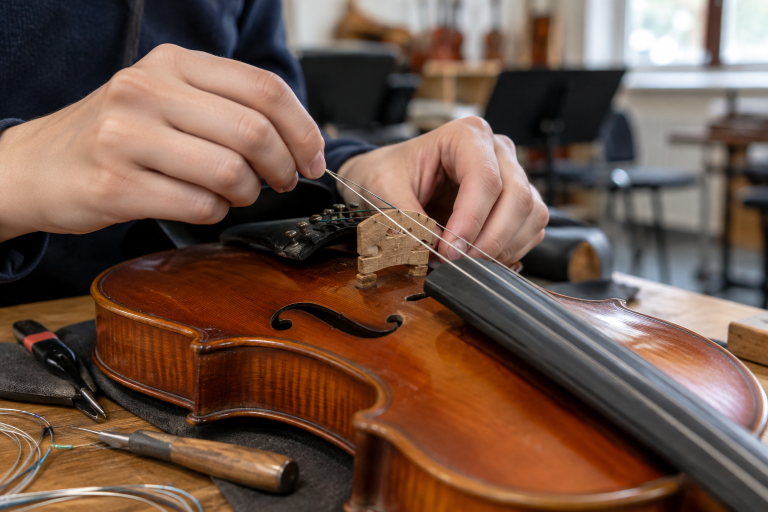
Music education involves more than a room full of instruments. A program may need sheet music, stands, instrument cases, repairs, storage, recording tools, accessible equipment, performance transportation, and enough staff time to teach students well. A school can have donated instruments, for example, but still struggle if several are unplayable or there is no budget for regular maintenance.
One-time gifts can solve an immediate problem, but recurring support often creates more stability. A repair fund, an annual supply budget, or a continuing partnership can help a teacher plan ahead rather than delay instruction until an emergency is addressed. School districts may also have public funding options available. The U.S. Department of Education identifies federal funding streams that can support arts education, which can be useful context for local advocates and school leaders.
Start By Finding The Real Need
Before collecting donations or planning an event, contact the music teacher, principal, or school office. Ask for a current list of needs and confirm which requests the school can accept. A useful conversation should identify whether the priority is instruments, repairs, staffing, music technology, student fees, transportation, or another obstacle.
Ask what would make the biggest difference this semester or school year.
Find out whether the need serves one class, several ensembles, or the entire school.
Confirm that donated items meet district safety, quality, and storage requirements.
Ask who will maintain equipment after it arrives.
Set a goal that can be tracked, such as repairing a set number of student instruments.
Five Practical Ways To Help In 2026
1. Give Toward A Clear Classroom Need
Targeted gifts are easier for schools to use effectively. A contribution might cover instrument repair, replacement strings and reeds, adaptive equipment, software licenses, assistance with concert attire, or participation costs for students facing financial barriers. Specific requests also make it easier to explain the purpose of a fundraiser to donors.
2. Organize A Local Fundraiser
A student showcase, neighborhood concert, used-book sale, restaurant night, or online campaign can work when the effort has one defined purpose. Share the goal, deadline, and intended use of funds before asking people to contribute. Afterward, thank participants and provide a brief update on how the funds were used.
3. Volunteer Skills And Time
Not every contribution needs to be financial. Volunteers may help organize inventory, photograph performances, coordinate event details, provide bookkeeping help, assist with communications, or speak about music-related careers. Anyone working directly with students should follow the district’s volunteer approval, background check, and child safety procedures.
4. Build A Local Business Partnership
Businesses can support a program by matching donations, sponsoring repairs, printing concert materials, helping with transportation, or hosting an appropriate community performance. The school should keep control of educational decisions, while the partner receives clear information about the project and its boundaries.
5. Support Music Advocacy
Attend school board meetings, review local budget discussions, and ask how students access music instruction during the school day. Advocacy is especially helpful when it focuses on reliable access for all students, not only on highly visible concerts or competitive ensembles.
How To Make Giving More Effective
Favor support that has a realistic plan for maintenance and continued use. Durable equipment is valuable only when the school has the capacity for storage, training, and repair. Ask whether students with disabilities can participate fully, whether families still face fees, and whether teacher training would be more useful than another item purchase. Recurring gifts may be particularly helpful for predictable costs such as repairs, supplies, and licensing.
Why Access And Equity Matter
Participation can be affected by instrument costs, transportation, disability access, family schedules, and the availability of classes at a student’s school. Programs are stronger when planning includes students, families, teachers, and community members. In California, school-site arts plans are developed with local stakeholders, and public information about planning and spending decisions can help communities understand how arts funding is used.
Questions To Ask Before Supporting A Program
What does the program need most right now?
Who will benefit from this support?
What ongoing costs will remain after the gift is used?
How will students access the opportunity fairly?
How will the school communicate progress and results?
Common Mistakes To Avoid
Donating instruments or supplies without confirming they are needed.
Assuming used equipment is ready for student use.
Launching a fundraiser without a specific target.
Focusing only on performances while overlooking daily instruction.
Promising support before checking school policies and capacity.
How Schools Can Show Results
Simple reporting helps communities see the value of their support. Schools can share student enrollment and attendance, the number of available instruments, participation in performances or music technology activities, teacher feedback, and student or family feedback. These measures provide a fuller picture than the amount of money raised alone.
Conclusion
Stronger school music programs grow through steady, informed community support. The right contribution may be funding, volunteer time, advocacy, professional knowledge, or an introduction to a helpful partner. When communities listen first, set clear goals, and support lasting needs, more students can take part in meaningful music learning in 2026 and beyond.