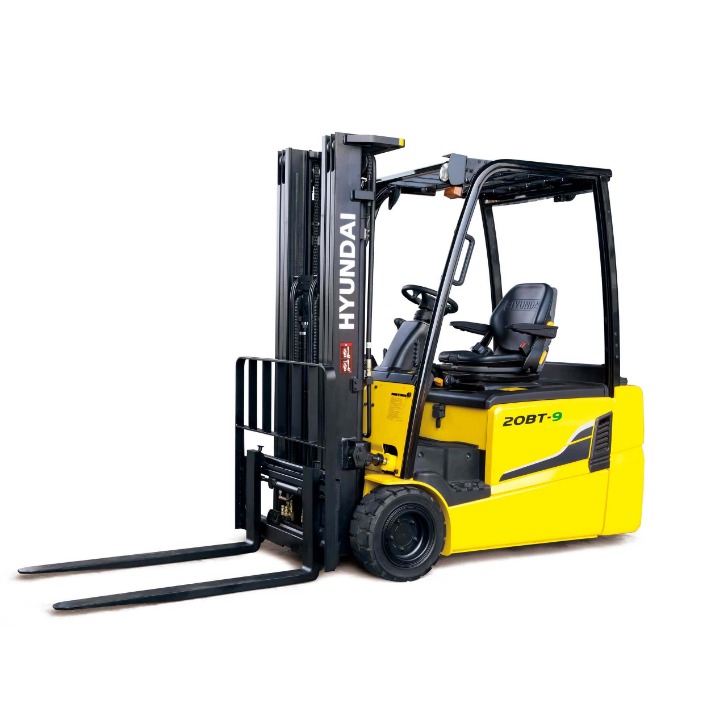
Standard forklift forks are designed around common pallet sizes, but many material handling operations move products that are far longer, wider, or more flexible than a typical load. Lumber packs, steel beams, pipe, drywall, carpet rolls, and custom crates often require more support than standard forks can provide. In these situations, extended forks for forklift use becomes a practical and safety-driven upgrade. Longer blades help distribute weight more evenly, reduce dangerous overhang, and give operators greater control when traveling over uneven surfaces. However, choosing the right extended fork is not simply a matter of adding extra inches. Capacity, carriage class, blade profile, material quality, and maintenance all influence whether the attachment will perform safely in daily service.
What Are Extended Forklift Forks and When Are They Necessary?
Forklift forks are commonly sized to handle loads around 48 inches deep. Extended forks, on the other hand, provide additional blade length to support materials that would otherwise overhang too far beyond the fork tips. Depending on the application, these forks can range from 60 inches to 120 inches or more. They are widely used in lumberyards, building supply centers, pipe and steel distribution, paper handling, manufacturing plants, and any operation that routinely moves long or unusually shaped products.
When a load extends too far past the fork tips, the effective load center moves forward. This reduces the forklift’s stable lifting capacity and increases the risk of a forward tip-over. Standard forks may also apply pressure to a narrow section of the load, causing sagging, bending, cracking, or product damage. Extended forks for forklift applications help spread the weight across a larger contact area, which improves stability and reduces point loading. For example, moving a 16-foot stack of lumber on 48-inch forks can cause the ends to bounce and shift. Using 72-inch or 96-inch forks provides better support and allows the operator to move more smoothly across dock plates, yard surfaces, and uneven warehouse floors.
Still, longer forks are not automatically the right answer for every load. Forks that are too long can strike racks, walls, trailers, and other equipment during tight turns. They also add weight to the carriage and can shift the forklift’s center of gravity forward, even before the load is picked up. The goal is to match the blade length to the deepest part of the load without creating unnecessary maneuvering problems. For load depths of 60 inches, 72-inch forks may be suitable, while 96-inch loads often require 108- or 120-inch blades to keep at least two-thirds of the load length supported.
Extended forks are commonly paired with materials such as engineered wood products, conduit, aluminum extrusions, insulation, roofing materials, and bulk packaging. Some operations use slip-on fork extensions for occasional long loads, but permanently mounted extended forks provide a stronger and more durable solution when these loads are part of daily workflow. When evaluating extended forks for forklift options, it is important to review fork cross-section, blade width, heel radius, and mounting class rather than focusing only on overall length.
Key Factors to Evaluate Before Choosing Extended Forklift Forks
Selecting the right extended fork requires more than measuring the desired blade length. The first consideration is capacity at load center. A forklift rated for 5,000 pounds at a 24-inch load center will not necessarily handle the same weight when the load center moves forward. Longer blades and longer loads both affect where the combined center of gravity sits. Operators and equipment managers should consult the forklift’s data plate and derate capacity according to the actual load center and the added weight of the forks themselves.
Next, buyers must verify the fork mounting class and carriage dimensions. Forklift carriages are divided into classes, and each class corresponds to specific carriage bar heights and hook dimensions. Installing the wrong class can cause the forks to bounce, bind, or detach under load. The fork must also match the existing carriage width and hook spacing. Most operations use standard ITA hook-type forks, but shaft-mounted forks may be required for certain heavy-duty or specialty equipment. Confirming these specifications before purchase helps avoid costly downtime and unsafe installations.
The blade cross-section is another critical factor. Extended forks are often available in tapered or full-thickness profiles. Tapered forks are lighter and easier to slide into tight loads, while full-thickness forks offer more strength and stiffness for very long or heavy items. The required blade width, thickness, and root section must be engineered to handle the forces created by a longer lever arm. A long, thin fork can flex or permanently bend even when the load is within the expected capacity. That bending may not be immediately visible, but it can weaken the fork over time.
Material quality and heat treatment also separate dependable extended forks from lower-quality alternatives. High-strength steel with proper heat treating gives the fork toughness without making it brittle. Forks should have visible markings showing manufacturer, capacity, and load center. Missing or unreadable identification is a red flag because the fork’s rated capacity cannot be verified. Buyers should also look for a safety factor consistent with industry standards, typically around a 3:1 yield ratio. This means the fork is designed to withstand approximately three times its rated load before yielding, providing a margin for shock loading, uneven floors, and sudden stops.
Finally, consider the operating environment. In cold storage, steel can become more brittle, so material selection matters. In corrosive environments such as fertilizer plants, paper mills, or coastal facilities, protective coatings or stainless steel forks may be required. Some clean environments benefit from sealed or polished surfaces that reduce contamination risks. Matching the fork to the environment helps extend service life and prevent premature damage.
Safe Operation, Inspection, and Maintenance of Extended Forklift Forks
Extended forks change the forklift’s overall footprint and handling characteristics, so operators should receive task-specific training even if they have years of experience with standard forks. Because the blade extends farther forward, turns must be wider, and approach angles to racks and trailers need to be adjusted. Before each shift, a visual inspection should cover the heel area, where most fork stress concentrates, along with the hook or shaft mounts, blade tips, and top and bottom surfaces. Cracks, bends, excessive wear, and damaged locking pins require immediate removal from service.
Fork wear is not just a cosmetic issue. As the underside of a fork blade wears from contact with concrete floors, the remaining thickness decreases. If blade thickness drops below 90 percent of the original specification, capacity may be compromised. Heel thickness is especially critical because this area carries the greatest bending stress. A common maintenance rule is to measure heel wear and compare it to original specifications. Any reduction beyond the allowable amount means the fork should be replaced rather than welded or straightened. Welding forks without a qualified engineering process can create stress risers that lead to sudden failure under load.
Load handling with extended forks requires special attention to load center, fork spread, and travel height. Operators should spread the forks as wide as the load permits to improve lateral stability. Heavy or flexible loads should be centered across both blades. When lifting, the mast should be tilted back only enough to stabilize the load. Excessive rearward tilt with very long loads can raise the fork tips high enough to contact overhead obstructions or cause the load to slide backward toward the mast. Travel with the load as low as possible while still clearing the ground, and avoid sharp turns at speed because long loads create a wider swing radius.
Storage and housekeeping also affect fork life. Forks should be stored flat or upright in a protected area, not left lying on uneven surfaces where they can be driven over or exposed to moisture for long periods. When changing forks, technicians should confirm the locking mechanism is fully engaged and the forks are secure before operating the truck. Some facilities use color-coded inspection tags or digital maintenance logs to track wear measurements and scheduled replacements.
Because longer blades transmit more torque through the carriage and mast, lift chains, mast rollers, and tilt cylinders should be inspected more frequently. In busy operations, small alignment issues become larger problems when the lever arm is extended. Some facilities create dedicated long-load zones with wider aisles and marked travel paths. This reduces the chance of catching fork tips on rack uprights and allows extended fork trucks to move efficiently without endangering nearby pedestrians.