Every day in hospitals, long-term care facilities, and private homes, caregivers face the physical challenge of helping patients move from a seated position to standing. Manual transfers place immense strain on the back and shoulders, while patients who can bear partial weight risk injury from unstable lifts or poor technique. The evolution of patient handling technology has brought forward a solution that balances safety, dignity, and efficiency: the power sit to stand lift. Unlike passive sling lifts, this device actively supports the patient’s natural movement pattern, reducing fall risk and caregiver musculoskeletal injuries. Understanding how these lifts work, when to deploy them, and what real-world outcomes they deliver is critical for any healthcare professional or family caregiver committed to safe, evidence-based practice. This guide explores the mechanics, clinical applications, and measurable benefits of this transformative equipment.
The Biomechanics and Safety of Power Sit to Stand Lifts
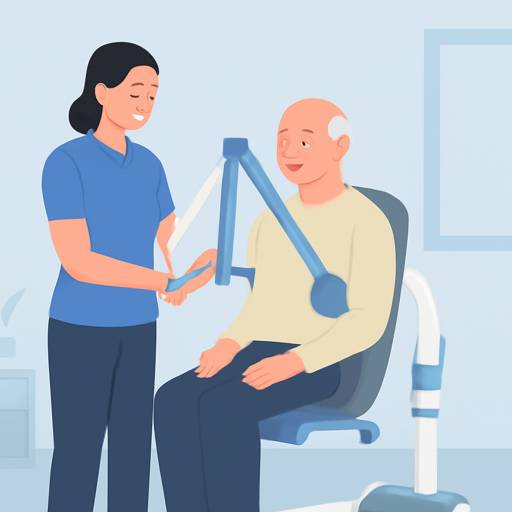
A power sit to stand lift operates on a simple yet biomechanically refined principle: it assists the patient’s own weight-bearing capacity while eliminating hazardous manual lifting forces. The device typically includes a padded knee support, a pelvic or chest harness, and a motorized lifting column. As the patient leans forward slightly, the lift gently raises them into a standing position, transferring load through the lower limbs rather than the caregiver’s spine. This mimics the natural sit-to-stand sequence seen in healthy individuals, engaging the patient’s quadriceps, glutes, and core muscles. For the caregiver, the lift removes nearly all physical effort — a single operator can manage transfers that would otherwise require two or three people.
Safety is embedded in the design. Modern power sit to stand lifts incorporate emergency stop buttons, anti-slip footplates, and locking casters that prevent unintended movement. Many models offer gradual speed control, allowing the caregiver to tailor the rise rate to the patient’s comfort and stability. The knee support prevents forward sliding, while the pelvic strap secures the patient without restricting breathing. Importantly, these lifts require the patient to have some weight-bearing capacity and the ability to follow simple commands. They are not intended for completely dependent individuals — that is the domain of full-body sling lifts. This specificity makes the power sit to stand lift a targeted tool for rehab, post-surgical recovery, and fall prevention programs.
From a biomechanical standpoint, the lift reduces shear forces on the skin and soft tissues, which is crucial for patients with fragile skin or pressure injuries. The controlled vertical trajectory minimizes hip and knee joint torque, aiding those with arthritis or joint replacements. Moreover, the device can be used to partially weight-bear during early mobility phases, encouraging muscle activation and circulation. Studies show that using a power sit to stand lift can decrease caregiver injury rates by up to 60% compared to manual transfers. For the patient, the psychological benefit is equally significant: being lifted in a dignified, upright position fosters confidence and cooperation, which accelerates rehabilitation timelines.
Clinical Applications: When to Choose a Power Sit to Stand Lift
The decision to deploy a power sit to stand lift hinges on a careful assessment of the patient’s physical abilities, medical condition, and transfer goals. One of the most common applications is in orthopedic rehabilitation, particularly following total hip or knee arthroplasty. In the early post-operative days, the patient must avoid extreme hip flexion or adduction. A power sit to stand lift with an adjustable knee pad and low-profile base allows the caregiver to position the patient safely, supporting the operated limb without violating surgical precautions. For example, a 72-year-old woman recovering from a hip replacement may struggle with standard bed-to-chair transfers due to pain and muscle weakness. Using the lift, she can practice standing with partial weight-bearing, gradually building strength while her surgical site heals. This reduces the risk of dislocation and decreases hospital length of stay.
Another key application is in neurological rehabilitation, including stroke and Parkinson’s disease. Stroke survivors often experience hemiparesis, where one side of the body is weak or paralyzed. A power sit to stand lift equipped with a harness that supports the affected side can help the patient achieve an upright posture, promoting symmetrical weight distribution. The lift’s smooth, steady motion compensates for impaired balance and motor planning. In one case study from a subacute rehabilitation unit, a 65-year-old man with right-sided hemiparesis progressed from requiring two-person manual transfers to independent standing with the lift in just two weeks. The device allowed his physical therapists to focus on gait training and trunk control rather than exerting physical effort just to get him upright.
Fall prevention programs also benefit greatly from power sit to stand lifts. Elderly individuals with lower body weakness or orthostatic hypotension are at high risk of falling when they attempt to stand from a chair or bed unassisted. The lift provides a stable, gradual rise that allows the patient to self-pace while a caregiver remains at their side. In memory care units, patients with dementia may be agitated or uncooperative during transfers; the lift’s padded knee support and gentle lifting motion can reduce resistive behaviors. The device also serves as a mobility training aid — patients can perform repeated sit-to-stand exercises without exhausting caregivers, which improves muscle conditioning and cardiovascular response. By integrating the power sit to stand lift into daily care routines, facilities can reduce fall rates by up to 40%, as documented in several quality improvement projects.
Real-World Impact: Patient Outcomes and Caregiver Strain Reduction
The most compelling evidence for the power sit to stand lift comes from the frontline experiences of healthcare workers and patients themselves. Consider the case of a 500-bed skilled nursing facility in the Midwest that introduced these lifts across two wings. Initially, manual transfers were the norm, leading to an average of 12 caregiver back injuries per year and frequent patient falls during transfers. After a six-month implementation of power sit to stand lifts — combined with staff training — the facility reported a 73% reduction in transfer-related injuries. Moreover, patient satisfaction scores for “dignity during care” rose by 28%. Nurses noted that patients who were previously anxious about standing became more willing to participate in morning hygiene routines. The lift’s quiet, smooth operation also reduced agitation in residents with cognitive impairments, creating a calmer environment for the entire unit.
Another powerful example comes from home care. A 58-year-old woman with multiple sclerosis was relying on her husband for all transfers from her wheelchair to the toilet and recliner. He developed chronic back pain and was at risk of serious injury. After acquiring a power sit to stand lift, the couple reported a dramatic change. The wife could now initiate her own standing motion with the lift’s support, preserving a sense of independence. Her husband’s physical strain vanished, and he could assist without fear. Within three months, the patient’s standing tolerance improved to the point where she could take several steps with a walker, using the lift only for longer transfers. This real-world story underscores how a single piece of equipment can transform the dynamic of home care, preventing caregiver burnout and promoting the patient’s functional recovery.
From a systems perspective, facilities that invest in power sit to stand lifts see cost savings through reduced worker compensation claims and lower staff turnover. The initial purchase cost is often recouped within 18 months. Additionally, lifts facilitate early mobility protocols, which are linked to fewer complications like pressure ulcers, pneumonia, and deep vein thrombosis. Caregiver morale improves when they no longer dread physically demanding transfers. The technology also aligns with regulations such as OSHA’s Safe Patient Handling guidelines, which mandate the use of assistive devices to eliminate manual lifting whenever possible. In summary, the power sit to stand lift is not just a piece of hardware — it is a cornerstone of modern, compassionate care that balances patient autonomy with caregiver safety. Whether in a bustling hospital unit or a quiet home setting, its impact reverberates through every successful transfer, every fall prevented, and every caregiver’s back spared from injury.